
WHAT IS YOUR BODY TRYING TO TELL YOU?
Explore common signs associated with mineral deficiencies and discover how essential minerals support everyday health.
Explore by symptom
20 profiles
Magnesium (Mg)
WHY YOUR BODY NEEDS IT
Magnesium is an essential mineral involved in hundreds of biochemical reactions throughout the body.
It supports:
• Normal muscle contraction and relaxation
• Nerve signaling
• Energy production
• Protein synthesis
• Bone health
• Normal heart rhythm
• Blood glucose regulation
RECOGNIZED DEFICIENCY SYMPTOMS
Early signs:
• Loss of appetite
• Nausea
• Vomiting
• Fatigue
• Weakness
More significant deficiency:
• Muscle cramps
• Muscle contractions or spasms
• Numbness
• Tingling
• Tremors
• Changes in heart rhythm
• Seizures in severe cases
IMPORTANT CONTEXT
Magnesium deficiency can occur with inadequate intake, certain gastrointestinal disorders, specific medications, or increased mineral losses.
These symptoms are not unique to magnesium deficiency. Persistent or severe symptoms should be evaluated by a qualified healthcare professional.
COMMON DIETARY SOURCES
• Pumpkin seeds
• Almonds
• Spinach
• Black beans
• Whole grains
• Legumes
SCIENTIFIC REFERENCE
NIH Office of Dietary Supplements:
https://ods.od.nih.gov/factsheets/Magnesium-HealthProfessional/
EDUCATIONAL NOTE
This information is intended for educational purposes and does not diagnose or treat mineral deficiencies.
Calcium (Ca)
**WHY YOUR BODY NEEDS IT**
Calcium is the most abundant mineral in the human body. It is essential for maintaining strong bones and teeth and supporting normal muscle, nerve, and cardiovascular function.
**It supports:**
- Bone and tooth structure
- Muscle contraction
- Nerve signaling
- Normal blood clotting
- Normal heart function
- Cellular communication
**RECOGNIZED LOW-CALCIUM SYMPTOMS**
Low blood calcium (hypocalcemia), particularly when significant, may cause:
- Tingling around the lips, fingers, or toes
- Numbness
- Muscle cramps
- Muscle spasms
- Muscle twitching
- Seizures in severe cases
- Abnormal heart rhythms in severe cases
**IMPORTANT CONTEXT**
Inadequate calcium intake over time can contribute to poor bone health and increased osteoporosis risk.
However, low dietary calcium intake and low blood calcium are not the same condition. Blood calcium is tightly regulated, and hypocalcemia can occur for reasons unrelated to dietary intake.
Arthritis, kidney stones, and high blood pressure should not be treated as diagnostic symptoms of calcium deficiency.
**COMMON DIETARY SOURCES**
- Milk, yogurt, and cheese
- Calcium-fortified plant-based beverages
- Calcium-set tofu
- Sardines and canned salmon with edible bones
- Kale and other suitable leafy greens
**SCIENTIFIC REFERENCES**
NIH Office of Dietary Supplements:
https://ods.od.nih.gov/factsheets/Calcium-HealthProfessional/
MedlinePlus — Hypocalcemia:
https://medlineplus.gov/ency/article/000365.htm
**EDUCATIONAL NOTE**
Symptoms alone cannot establish a calcium deficiency. Seek medical evaluation for persistent symptoms or suspected electrolyte abnormalities.
Iron (Fe)
**WHY YOUR BODY NEEDS IT**
Iron is an essential mineral that helps the body transport oxygen through the bloodstream. It is a critical component of hemoglobin in red blood cells and myoglobin in muscle tissue.
**It supports:**
- Oxygen transport throughout the body
- Red blood cell production
- Normal energy metabolism
- Muscle oxygen storage
- Healthy growth and development
- Normal neurological and immune function
**RECOGNIZED DEFICIENCY SYMPTOMS**
Iron deficiency, particularly when it progresses to iron-deficiency anemia, may cause:
- Persistent fatigue or unusual tiredness
- General weakness
- Dizziness or lightheadedness
- Difficulty concentrating or brain fog
- Pale skin
- Shortness of breath, especially during activity
- Heart palpitations or a rapid heartbeat
- Headaches
- Cravings for ice or other nonfood substances (pica)
- Restless legs in some individuals
**IMPORTANT CONTEXT**
Iron deficiency is one of the most common nutritional deficiencies worldwide.
Low iron stores may develop before anemia appears. Symptoms can vary, and some individuals initially experience no noticeable symptoms.
Iron deficiency may result from inadequate dietary intake, blood loss, increased iron requirements, or impaired absorption.
Testing, including a complete blood count and ferritin when appropriate, helps determine whether iron deficiency is present.
Excessive iron intake can be harmful. Iron supplementation should be based on individual needs and medical guidance.
**COMMON DIETARY SOURCES**
- Lean beef and other meats
- Poultry
- Fish and shellfish
- Lentils and beans
- Tofu
- Iron-fortified cereals
- Spinach and other leafy greens
Vitamin C-rich foods can improve absorption of non-heme iron from plant-based sources.
**SCIENTIFIC REFERENCES**
NIH Office of Dietary Supplements:
https://ods.od.nih.gov/factsheets/Iron-HealthProfessional/
MedlinePlus — Iron Deficiency Anemia:
https://medlineplus.gov/irondeficiencyanemia.html
**EDUCATIONAL NOTE**
Fatigue, dizziness, and other symptoms have many potential causes. This guide is educational and cannot diagnose iron deficiency or anemia.
Potassium (K)
**WHY YOUR BODY NEEDS IT**
Potassium is an essential mineral and electrolyte found primarily inside the body's cells. It works alongside sodium to maintain fluid balance and support normal muscle and nerve function.
**It supports:**
- Healthy fluid and electrolyte balance
- Normal muscle contractions
- Nerve signal transmission
- Normal heart rhythm
- Healthy blood pressure regulation
- Proper cellular function
**RECOGNIZED LOW-POTASSIUM SYMPTOMS**
Low blood potassium, known as hypokalemia, may cause:
- Muscle weakness
- Muscle cramps or spasms
- Fatigue or unusual tiredness
- Constipation
- Heart palpitations
- Irregular heart rhythms, especially with significant deficiency
- Tingling or numbness in some cases
- Severe muscle weakness or paralysis in extreme cases
**IMPORTANT CONTEXT**
Potassium is essential for normal cellular and cardiovascular function.
Low blood potassium may occur from excessive potassium losses, including prolonged vomiting, diarrhea, certain medications such as diuretics, or specific medical conditions.
Inadequate dietary potassium intake and low blood potassium are not necessarily the same thing.
Because the body carefully regulates potassium levels, both excessively low and excessively high blood potassium can be dangerous.
Persistent muscle weakness, palpitations, or suspected electrolyte abnormalities should be evaluated by a healthcare professional. Severe weakness, fainting, or an irregular heartbeat warrants prompt medical attention.
**COMMON DIETARY SOURCES**
- Potatoes and sweet potatoes
- Beans and lentils
- Bananas
- Avocados
- Spinach and other leafy greens
- Tomatoes
- Yogurt
- Fish
**SCIENTIFIC REFERENCES**
NIH Office of Dietary Supplements:
https://ods.od.nih.gov/factsheets/Potassium-HealthProfessional/
MedlinePlus — Low Blood Potassium:
https://medlineplus.gov/ency/article/000479.htm
**EDUCATIONAL NOTE**
Muscle cramps, fatigue, and other symptoms can have multiple causes. This information is educational and does not establish a potassium deficiency or replace medical testing.
Sodium (Na)
**WHY YOUR BODY NEEDS IT**
Sodium is an essential mineral and electrolyte found primarily in the fluid surrounding the body's cells. It works closely with potassium and chloride to help maintain fluid balance and normal cellular function.
**It supports:**
- Fluid and electrolyte balance
- Normal hydration regulation
- Nerve impulse transmission
- Muscle contraction
- Blood volume and pressure regulation
- Normal cellular communication
**RECOGNIZED LOW-SODIUM SYMPTOMS**
Low blood sodium, known as hyponatremia, may cause:
- Headache
- Nausea or vomiting
- Fatigue or unusual tiredness
- Muscle weakness
- Muscle cramps or spasms
- Confusion or disorientation
- Drowsiness or reduced alertness
- Seizures in severe cases
- Loss of consciousness in extreme cases
**IMPORTANT CONTEXT**
Sodium is essential for life, but most Americans consume more sodium than recommended.
Hyponatremia means the sodium concentration in the blood is too low. It is often caused by an imbalance between water and sodium rather than simply eating too little salt.
Potential contributing factors include:
- Excessive fluid intake under certain conditions
- Prolonged endurance activity with substantial sweating
- Certain medications, including some diuretics
- Kidney, heart, liver, or hormonal disorders
- Severe vomiting or diarrhea
Both excess sodium intake and abnormally low blood sodium can create health risks.
Confusion, seizures, or reduced consciousness may indicate a medical emergency and require immediate medical attention.
**COMMON DIETARY SOURCES**
- Table salt
- Bread and baked goods
- Cheese
- Soups
- Canned and packaged foods
- Salted meats and snacks
- Naturally occurring sodium in milk and some vegetables
Sodium intake should be appropriate to individual health needs. More sodium is not automatically better.
**SCIENTIFIC REFERENCES**
NIH Office of Dietary Supplements — Sodium and Health:
https://ods.od.nih.gov/HealthInformation/Sodium.aspx
MedlinePlus — Low Blood Sodium:
https://medlineplus.gov/ency/article/000394.htm
**EDUCATIONAL NOTE**
Headaches, fatigue, muscle cramps, and other symptoms are not specific to sodium imbalance. A blood test and clinical evaluation are needed to identify hyponatremia.
Phosphorus (P)
**WHY YOUR BODY NEEDS IT**
Phosphorus is an essential mineral found in every cell of the body. It is the second most abundant mineral in the human body and works closely with calcium to support bone structure and normal cellular function.
Phosphorus is also a component of ATP (adenosine triphosphate), the molecule cells use to transfer energy.
**It supports:**
- Cellular energy production and ATP function
- Strong bones and teeth
- Normal muscle and nerve function
- Cell membrane structure
- DNA and RNA formation
- Normal growth and tissue repair
- Acid-base balance
**RECOGNIZED LOW-PHOSPHATE SYMPTOMS**
Low blood phosphate, known as hypophosphatemia, particularly when severe, may cause:
- Muscle weakness
- Fatigue
- Bone pain
- Loss of appetite
- Numbness or tingling
- Confusion or altered mental status
- Difficulty walking due to muscle weakness
- Fragile bones or bone-softening disorders with prolonged deficiency
- Respiratory muscle weakness in severe cases
**IMPORTANT CONTEXT**
Phosphorus is widely available in food, making nutritional deficiency uncommon in otherwise healthy individuals.
Low phosphate levels may develop in association with:
- Severe malnutrition
- Certain gastrointestinal or kidney disorders
- Alcohol use disorder
- Refeeding syndrome
- Some medications or medical treatments
Inadequate phosphorus intake and low blood phosphate are not always the same condition.
Phosphorus also works closely with calcium and vitamin D in supporting bone health.
Significant hypophosphatemia requires medical evaluation because severe cases can affect muscle, neurological, and respiratory function.
**COMMON DIETARY SOURCES**
- Milk, yogurt, and cheese
- Fish and poultry
- Meat
- Eggs
- Lentils and beans
- Nuts and seeds
- Whole grains
**SCIENTIFIC REFERENCES**
NIH Office of Dietary Supplements:
https://ods.od.nih.gov/factsheets/Phosphorus-HealthProfessional/
MedlinePlus — Phosphorus Blood Test:
https://medlineplus.gov/lab-tests/phosphorus-in-blood/
**EDUCATIONAL NOTE**
Fatigue, weakness, and bone discomfort have many possible causes. Symptoms alone cannot establish phosphorus deficiency. Testing and professional medical assessment may be needed.
Sulfur (S)
**WHY YOUR BODY NEEDS IT**
Sulfur is an essential element found throughout the human body. It is incorporated into important amino acids, proteins, enzymes, and other biological compounds.
Sulfur contributes to the structure of connective tissues, skin, hair, and nails and participates in numerous cellular processes.
**It supports:**
- Protein structure and function
- Formation of keratin in hair and nails
- Connective tissue structure
- Normal enzyme activity
- Glutathione production and antioxidant defense
- Cellular metabolism
- Normal tissue maintenance and repair
**RECOGNIZED DEFICIENCY SYMPTOMS**
A distinct dietary sulfur-deficiency syndrome has not been established in humans consuming adequate protein.
The body's sulfur needs are generally met through dietary sulfur-containing amino acids, particularly methionine and cysteine.
Consequently, there is no scientifically validated list of symptoms that independently diagnoses a lack of dietary sulfur.
**ASSOCIATIONS REQUIRING FURTHER EVIDENCE**
The original BlackMP mineral reference lists several conditions or symptoms in connection with sulfur, including:
- Acne, eczema, and itchy skin or scalp
- Brittle hair or nails
- Headaches
- Gastrointestinal discomfort
- Mood and memory changes
- Slow wound healing
- Reduced immune function
These conditions may have numerous nutritional, environmental, or medical causes. They should not be presented as established signs of sulfur deficiency.
**IMPORTANT CONTEXT**
Sulfur-containing amino acids are important components of proteins and support many essential biochemical functions.
Inadequate overall protein intake can affect tissue maintenance and normal physiology, but that is not equivalent to an isolated sulfur deficiency.
Sulfur is also found in compounds such as glutathione and in connective tissue components.
Adequate dietary protein generally supplies the sulfur-containing amino acids needed for normal health.
**COMMON DIETARY SOURCES**
- Eggs
- Fish and poultry
- Meat
- Milk and other dairy products
- Beans and lentils
- Soy foods
- Nuts and seeds
- Garlic and onions
- Broccoli, cabbage, and other cruciferous vegetables
**SCIENTIFIC REFERENCES**
National Academies — Dietary Reference Intakes for Protein and Amino Acids:
https://nap.nationalacademies.org/catalog/10490/dietary-reference-intakes-for-energy-carbohydrate-fiber-fat-fatty-acids-cholesterol-protein-and-amino-acids
NCBI PubChem — Sulfur:
https://pubchem.ncbi.nlm.nih.gov/element/Sulfur
**EDUCATIONAL NOTE**
Sulfur has important biological functions, but symptoms such as skin irritation, brittle nails, or fatigue do not establish sulfur deficiency. This profile is provided for nutritional education and should not be used for self-diagnosis.
Selenium (Se)
**WHY YOUR BODY NEEDS IT**
Selenium is an essential trace mineral incorporated into specialized proteins called selenoproteins. These proteins help protect cells from oxidative damage, regulate thyroid hormone metabolism, and support normal reproductive and immune functions.
**It supports:**
- Antioxidant enzyme activity
- Thyroid hormone metabolism
- Normal immune system function
- Reproductive health
- Cellular protection against oxidative stress
- Normal muscle and cellular function
**RECOGNIZED DEFICIENCY EFFECTS**
Significant selenium deficiency is uncommon but may contribute to or be associated with:
- Muscle weakness or muscle dysfunction
- Muscle pain or tenderness in some deficiency-related disorders
- Cardiomyopathy (heart muscle disease), particularly in selenium-deficient populations affected by Keshan disease
- Impaired thyroid hormone metabolism, especially when other nutritional deficiencies coexist
- Altered immune function
**IMPORTANT CONTEXT**
Selenium deficiency is rare in many populations with adequate dietary variety.
Severe deficiency has historically been associated with Keshan disease, a form of cardiomyopathy observed in certain selenium-deficient regions.
Selenium deficiency has also been implicated in Kashin-Beck disease, a joint and bone disorder involving multiple environmental and nutritional factors. Selenium deficiency alone has not been established as its sole cause.
People receiving long-term parenteral nutrition, those with certain gastrointestinal disorders, and individuals with significantly restricted diets may be at greater risk of inadequate selenium status.
Selenium is essential in small amounts, but excessive intake can be toxic.
**POSSIBLE SIGNS OF EXCESS SELENIUM**
Excessive selenium exposure may cause:
- Hair loss
- Brittle or damaged nails
- Garlic-like breath odor
- Nausea or gastrointestinal disturbances
- Skin changes
- Neurological symptoms in more serious cases
These effects are associated with excessive selenium exposure, not ordinary selenium deficiency.
**ASSOCIATIONS REQUIRING FURTHER EVIDENCE**
The original BlackMP reference also lists fatigue, mental impairment, reproductive disorders, age spots, cataracts, liver cirrhosis, and reduced immune function.
These conditions should not all be presented as specific, clinically established symptoms of selenium deficiency. Some are nonspecific, and others lack sufficient evidence for a direct causal relationship.
**COMMON DIETARY SOURCES**
- Brazil nuts
- Fish and shellfish
- Meat and poultry
- Eggs
- Dairy products
- Whole grains
- Legumes
The selenium content of plant foods varies according to the soil in which they are grown.
**SCIENTIFIC REFERENCES**
NIH Office of Dietary Supplements:
https://ods.od.nih.gov/factsheets/Selenium-HealthProfessional/
NIH Office of Dietary Supplements — Consumer Fact Sheet:
https://ods.od.nih.gov/factsheets/Selenium-Consumer/
**EDUCATIONAL NOTE**
Symptoms alone cannot diagnose selenium deficiency. Selenium supplementation should be approached carefully because excessive intake can cause toxicity.
Chloride (Cl)
**WHY YOUR BODY NEEDS IT**
Chloride is an essential mineral and electrolyte found primarily in the fluid surrounding the body's cells.
It works alongside sodium and potassium to maintain fluid balance, regulate acid-base balance, and support normal physiological function.
Chloride is also a key component of hydrochloric acid, the stomach acid involved in digestion.
**It supports:**
- Fluid and electrolyte balance
- Normal hydration regulation
- Acid-base balance
- Stomach acid production
- Normal digestion
- Electrical balance across cell membranes
- Normal nerve and muscle function
**RECOGNIZED LOW-CHLORIDE FINDINGS**
Low blood chloride, known as hypochloremia, may occur alongside other electrolyte or acid-base abnormalities.
Depending on the underlying cause, associated findings may include:
- Muscle weakness
- Muscle cramps
- Fatigue
- Signs of dehydration
- Abnormal acid-base balance, including metabolic alkalosis
**IMPORTANT CONTEXT**
Chloride deficiency resulting solely from inadequate dietary intake is uncommon because chloride is widely available in food, especially through sodium chloride (table salt).
Low blood chloride may develop from:
- Prolonged vomiting or loss of stomach fluids
- Certain medications, especially diuretics
- Significant fluid or electrolyte losses
- Kidney or hormonal disorders
- Acid-base disturbances
**An important distinction:** Vomiting is commonly a cause of chloride loss, not a reliable symptom caused by chloride deficiency.
Low blood chloride does not necessarily mean someone should increase salt consumption. Treatment depends on the underlying cause and overall electrolyte balance.
**ASSOCIATIONS REQUIRING CONTEXT**
The original BlackMP mineral reference lists muscle weakness, cramping, fatigue, dehydration, loss of appetite, and nausea.
Although some of these may occur with electrolyte disturbances, they cannot independently diagnose chloride deficiency.
**COMMON DIETARY SOURCES**
- Table salt (sodium chloride)
- Bread and other prepared foods containing salt
- Cheese
- Tomatoes
- Celery
- Olives
- Seaweed
- Other foods naturally containing chloride
**SCIENTIFIC REFERENCES**
National Academies — Dietary Reference Intakes for Sodium and Potassium:
https://nap.nationalacademies.org/catalog/25353/dietary-reference-intakes-for-sodium-and-potassium
MedlinePlus — Chloride Blood Test:
https://medlineplus.gov/lab-tests/chloride-blood-test/
MedlinePlus — Chloride in Diet:
https://medlineplus.gov/ency/article/002417.htm
**EDUCATIONAL NOTE**
Symptoms associated with electrolyte imbalances often overlap. Persistent weakness, cramping, or dehydration symptoms may require medical assessment and laboratory testing. This reference is educational and not intended for diagnosis or treatment.
Zinc (Zn)
**WHY YOUR BODY NEEDS IT**
Zinc is an essential trace mineral involved in hundreds of enzyme reactions throughout the body. It plays an important role in immune function, protein production, cellular growth, and tissue repair.
Zinc is especially important for maintaining healthy skin, supporting wound healing, and preserving normal taste and smell.
**It supports:**
- Normal immune system function
- Wound healing and tissue repair
- Protein and DNA synthesis
- Healthy growth and development
- Skin health and cellular renewal
- Normal taste and smell
- Reproductive health
- Normal enzyme activity
**RECOGNIZED DEFICIENCY SYMPTOMS**
Zinc deficiency may cause:
- Hair loss or thinning hair
- Delayed or impaired wound healing
- Reduced sense of taste
- Reduced sense of smell
- Skin rashes or dermatitis
- Loss of appetite
- Diarrhea
- Impaired immune function and increased susceptibility to infections
- Poor growth and development in children
- Delayed sexual maturation in severe childhood deficiency
**IMPORTANT CONTEXT**
Zinc deficiency can develop when dietary intake is inadequate, absorption is impaired, or the body's requirements increase.
Individuals with certain gastrointestinal disorders, restrictive diets, or conditions affecting nutrient absorption may be at greater risk.
Zinc from animal-based foods is generally more readily absorbed than zinc from plant foods because phytates in some grains and legumes can reduce its absorption.
Although zinc is essential for immune health and tissue repair, taking additional zinc does not necessarily improve these functions in someone who already has adequate zinc status.
Excessive zinc supplementation can interfere with copper absorption and may cause copper deficiency.
**ADDITIONAL ASSOCIATIONS REQUIRING CONTEXT**
The original BlackMP mineral reference also mentions:
- Acne and eczema
- Brittle nails or white spots
- Fatigue
- Memory changes
- Body odor
These findings are not specific enough to identify zinc deficiency, and several lack strong evidence as reliable standalone deficiency indicators.
**COMMON DIETARY SOURCES**
- Oysters and other shellfish
- Beef and poultry
- Eggs
- Dairy products
- Beans and lentils
- Pumpkin seeds
- Nuts
- Whole grains
- Fortified breakfast cereals
**SCIENTIFIC REFERENCES**
NIH Office of Dietary Supplements — Zinc:
https://ods.od.nih.gov/factsheets/Zinc-HealthProfessional/
NIH Office of Dietary Supplements — Consumer Fact Sheet:
https://ods.od.nih.gov/factsheets/Zinc-Consumer/
**EDUCATIONAL NOTE**
Hair loss, skin changes, and frequent infections have many potential causes. These symptoms do not independently confirm zinc deficiency. Professional evaluation may be appropriate when deficiency is suspected.
Manganese (Mn)
**WHY YOUR BODY NEEDS IT**
Manganese is an essential trace mineral required in small amounts for normal cellular metabolism and enzyme function.
It acts as a component or activator of enzymes involved in processing carbohydrates, amino acids, and cholesterol. Manganese also plays a role in bone formation and antioxidant defense.
**It supports:**
- Normal carbohydrate and amino acid metabolism
- Bone formation and maintenance
- Antioxidant enzyme activity
- Connective tissue development
- Normal cellular metabolism
- Mitochondrial antioxidant protection
- Enzyme activation
**RECOGNIZED DEFICIENCY SYMPTOMS**
Manganese deficiency is extremely rare in humans.
A distinct, well-established clinical deficiency syndrome has not been identified, and there is no reliable symptom checklist for diagnosing inadequate manganese intake.
Limited human research has reported potential changes involving skin, metabolism, and bone health under experimentally restricted manganese intake, but these findings are insufficient to establish specific deficiency symptoms.
**ASSOCIATIONS REQUIRING FURTHER EVIDENCE**
The original BlackMP mineral reference lists:
- Joint pain
- Arthritis
- Hearing loss or tinnitus
- Infertility
- Reduced sex drive
- Dizziness
These conditions should not be presented as established symptoms of manganese deficiency.
Although manganese contributes to normal biological functions, its involvement in a physiological process does not prove that inadequate manganese causes every condition associated with that process.
**IMPORTANT CONTEXT**
Manganese is present in a variety of plant-based foods, and most people obtain adequate amounts through a varied diet.
The body requires only small quantities of manganese.
Excessive manganese exposure, particularly through inhalation in certain occupational settings or through contaminated water, can damage the nervous system.
Therefore, consuming additional manganese without a demonstrated need is not necessarily beneficial and may carry risks.
**COMMON DIETARY SOURCES**
- Whole grains
- Brown rice
- Oats
- Nuts, especially pecans and hazelnuts
- Legumes
- Spinach and other leafy vegetables
- Tea
- Pineapple
**SCIENTIFIC REFERENCES**
NIH Office of Dietary Supplements — Manganese:
https://ods.od.nih.gov/factsheets/Manganese-HealthProfessional/
NIH Office of Dietary Supplements — Consumer Fact Sheet:
https://ods.od.nih.gov/factsheets/Manganese-Consumer/
**EDUCATIONAL NOTE**
Manganese is essential for normal physiology, but there is insufficient evidence to identify a specific set of manganese-deficiency symptoms in humans. This information is educational and should not be used to diagnose nutritional deficiencies.
Copper (Cu)
**WHY YOUR BODY NEEDS IT**
Copper is an essential trace mineral required for normal energy production, iron metabolism, connective tissue formation, and nervous system function.
It helps the body use iron properly and supports enzymes involved in maintaining healthy blood cells, connective tissues, and antioxidant defenses.
**It supports:**
- Iron metabolism and red blood cell formation
- Normal energy production
- Brain and nervous system function
- Connective tissue formation
- Immune system function
- Antioxidant enzyme activity
- Normal pigmentation of hair and skin
**RECOGNIZED DEFICIENCY SYMPTOMS**
Copper deficiency may cause:
- Anemia, sometimes resembling iron-deficiency anemia
- Fatigue and weakness associated with anemia
- Neutropenia (abnormally low levels of certain white blood cells)
- Increased susceptibility to infections
- Numbness or tingling in the hands and feet
- Difficulty walking
- Balance and coordination problems
- Neurological impairment involving the spinal cord or peripheral nerves
- Bone abnormalities in severe or prolonged deficiency
**IMPORTANT CONTEXT**
Copper deficiency is uncommon in otherwise healthy individuals but can occur when copper absorption or nutritional balance is disrupted.
Potential risk factors include:
- Certain gastrointestinal or malabsorption disorders
- Previous gastrointestinal or bariatric surgery
- Excessive zinc supplementation
- Rare inherited disorders affecting copper metabolism
- Prolonged inadequate copper intake under specific circumstances
**THE COPPER–ZINC CONNECTION**
Copper and zinc have an important nutritional relationship.
Consuming excessive supplemental zinc over time can reduce copper absorption and potentially lead to copper deficiency.
This illustrates why mineral balance matters: increasing one mineral excessively can interfere with another.
**ASSOCIATIONS REQUIRING FURTHER EVIDENCE**
The original BlackMP reference also lists:
- Hair loss or premature graying
- Arthritis
- Depression
- Diarrhea
- High cholesterol
- Thyroid dysfunction
- Nervous tics
- Liver cirrhosis
- Varicose veins
These are not reliable standalone diagnostic indicators of copper deficiency. Several associations lack sufficient evidence to establish a direct causal relationship.
**COMMON DIETARY SOURCES**
- Oysters and other shellfish
- Beef liver and organ meats
- Cashews and other nuts
- Sunflower and sesame seeds
- Dark chocolate
- Lentils and beans
- Whole grains
- Mushrooms
**SCIENTIFIC REFERENCES**
NIH Office of Dietary Supplements — Copper:
https://ods.od.nih.gov/factsheets/Copper-HealthProfessional/
NIH Office of Dietary Supplements — Consumer Fact Sheet:
https://ods.od.nih.gov/factsheets/Copper-Consumer/
**EDUCATIONAL NOTE**
Anemia, neurological symptoms, and fatigue have many possible causes. Copper deficiency requires appropriate medical assessment and may involve blood testing. Excess copper intake can also be harmful.
Nickel (Ni)
**WHY NICKEL IS STUDIED**
Nickel is a naturally occurring trace element found in soil, water, plants, and many foods.
Nickel plays established biological roles in certain microorganisms and plants, including functioning as a component of specialized enzymes.
However, an essential nutritional role for nickel in humans has not been established.
**AREAS OF BIOLOGICAL RESEARCH**
Nickel has been investigated in relation to:
- Enzyme activity in microorganisms and plants
- Biological interactions with proteins
- Trace-element metabolism
- Potential effects on cellular processes
- Nickel exposure and human health
These research areas should not be interpreted as proof that humans require nickel supplementation.
**RECOGNIZED DEFICIENCY SYMPTOMS**
There is currently no clinically established nickel-deficiency syndrome in humans.
No validated set of symptoms can reliably identify inadequate dietary nickel intake.
**HISTORICAL ASSOCIATIONS REQUIRING FURTHER EVIDENCE**
The original BlackMP mineral reference associates nickel deficiency with:
- Anemia
- Delayed puberty
- Skin problems
- Slow growth
- Reduced zinc absorption
These are not established symptoms of nickel deficiency in humans.
Although nickel has been studied experimentally, available evidence does not demonstrate that inadequate nickel intake causes these conditions in people.
**IMPORTANT CONTEXT**
Nickel is present naturally in many foods, but there is no established human recommended dietary allowance for nickel.
Nickel exposure is more commonly discussed in medical literature because of its potential adverse effects.
For example, nickel is a well-known cause of allergic contact dermatitis in sensitized individuals.
Certain nickel compounds and occupational inhalation exposures also present health risks.
Nickel should not be supplemented for presumed deficiency without appropriate medical justification.
**COMMON DIETARY SOURCES OF NICKEL**
Nickel occurs naturally in:
- Cocoa and chocolate
- Nuts and seeds
- Legumes
- Whole grains
- Soy products
- Certain vegetables
These examples describe where nickel may occur in food, not foods that must be consumed to prevent an established human deficiency.
**SCIENTIFIC REFERENCES**
NIH Office of Dietary Supplements — Dietary Supplement Fact Sheets:
https://ods.od.nih.gov/factsheets/list-VitaminsMinerals/
ATSDR — Toxicological Profile for Nickel:
https://www.atsdr.cdc.gov/toxprofiles/tp15.pdf
PubChem — Nickel:
https://pubchem.ncbi.nlm.nih.gov/element/Nickel
**EDUCATIONAL NOTE**
Nickel's essentiality in human nutrition remains unestablished. Symptoms such as anemia, growth concerns, or skin problems should not be attributed to nickel deficiency without scientific evidence. This information is intended for general education, not diagnosis or treatment.
Chromium (Cr)
**WHY CHROMIUM IS STUDIED**
Chromium is a naturally occurring trace element found in small amounts in food and the human body.
Trivalent chromium (chromium III) has historically been studied for its possible involvement in insulin activity and the metabolism of carbohydrates, fats, and proteins.
However, its exact biological role and essentiality in human nutrition remain subjects of scientific debate.
**AREAS OF BIOLOGICAL RESEARCH**
Chromium has been investigated in relation to:
- Insulin signaling and activity
- Glucose metabolism
- Carbohydrate metabolism
- Fat and lipid metabolism
- Nutritional trace-element status
- Metabolic health
These research areas do not establish that additional chromium improves blood sugar control or prevents metabolic disease.
**RECOGNIZED DEFICIENCY SYMPTOMS**
There is no clearly established chromium-deficiency syndrome in healthy human populations.
Historically, a small number of patients receiving long-term intravenous nutrition developed metabolic abnormalities that appeared to improve after chromium supplementation.
However, those limited observations do not establish a reliable list of chromium-deficiency symptoms for the general population.
**HISTORICAL ASSOCIATIONS REQUIRING FURTHER EVIDENCE**
The original BlackMP mineral reference lists:
- Impaired glucose tolerance
- Weight loss
- Confusion
- Nerve damage
- High cholesterol
- Diabetes
- Mood changes
- Fatigue
- Infertility
These should not be presented as clinically confirmed symptoms of chromium deficiency.
In particular, diabetes is a complex metabolic disease and should not be attributed to inadequate chromium intake without appropriate medical evidence.
**IMPORTANT CONTEXT**
Chromium occurs in different chemical forms.
Trivalent chromium is found naturally in foods and certain dietary supplements. Hexavalent chromium (chromium VI) is a toxic form associated with industrial and environmental exposure.
These forms have substantially different health implications.
Some studies have examined chromium supplementation in people with impaired glucose regulation or type 2 diabetes, but the findings are inconsistent and do not establish chromium supplementation as a replacement for established medical care.
Chromium supplements may also interact with medications, including certain blood glucose-lowering medications.
**COMMON DIETARY SOURCES**
Foods that may contain chromium include:
- Whole grains
- Broccoli
- Green beans
- Meat and poultry
- Eggs
- Nuts
- Certain fruits
- Brewer's yeast
Chromium content varies considerably depending on agricultural, processing, and analytical factors.
**SCIENTIFIC REFERENCES**
NIH Office of Dietary Supplements — Chromium:
https://ods.od.nih.gov/factsheets/Chromium-HealthProfessional/
NIH Office of Dietary Supplements — Consumer Fact Sheet:
https://ods.od.nih.gov/factsheets/Chromium-Consumer/
**EDUCATIONAL NOTE**
Fatigue, changes in blood sugar, and other metabolic symptoms have numerous potential causes. Chromium deficiency has not been established as a common cause of these conditions. This profile is for educational purposes and should not be used for self-diagnosis or treatment.
Germanium (Ge)
**WHY GERMANIUM IS STUDIED**
Germanium is a naturally occurring chemical element found in trace amounts in the environment, including certain soils, plants, and foods.
Researchers have investigated different germanium compounds for their chemical properties and potential biological activities.
However, germanium has no established essential nutritional function in humans.
**AREAS OF SCIENTIFIC RESEARCH**
Germanium compounds have been investigated in laboratory and experimental settings involving:
- Cellular interactions
- Immune-related biological pathways
- Organometallic and organogermanium chemistry
- Experimental antioxidant activity
- Potential biological effects of specific germanium compounds
These areas of research do not establish clinical benefits from germanium supplementation.
**RECOGNIZED DEFICIENCY SYMPTOMS**
There is no established human germanium-deficiency syndrome.
Germanium is not recognized as an essential dietary mineral, and no recommended dietary allowance has been established for it.
There is no validated evidence that insufficient germanium intake causes a specific set of symptoms in humans.
**HISTORICAL ASSOCIATIONS REQUIRING FURTHER EVIDENCE**
The original BlackMP reference lists:
- Low energy and fatigue
- Arthritis
- Asthma
- Reduced immune function
- Cancer
These conditions are not established symptoms of germanium deficiency.
There is insufficient clinical evidence to conclude that inadequate dietary germanium causes these conditions.
Germanium should not be represented as a treatment or preventive measure for cancer, asthma, arthritis, or immune disorders.
**IMPORTANT SAFETY CONTEXT**
Some germanium-containing supplements have been associated with serious adverse effects, including kidney damage.
The biological properties and risks of germanium vary depending on its chemical form.
Experimental research into particular germanium compounds should not be interpreted as evidence that commercially available germanium supplements are safe or effective.
Germanium supplementation is not recommended as a routine nutritional strategy.
**NATURAL OCCURRENCE IN FOODS**
Trace amounts of germanium have been reported in certain:
- Grains
- Vegetables
- Legumes
- Garlic
- Mushrooms
Germanium concentrations vary with environmental conditions.
These foods should not be consumed specifically to prevent germanium deficiency because no established human dietary requirement exists.
**SCIENTIFIC REFERENCES**
Memorial Sloan Kettering Cancer Center — Germanium:
https://www.mskcc.org/cancer-care/integrative-medicine/herbs/germanium
PubChem — Germanium:
https://pubchem.ncbi.nlm.nih.gov/element/Germanium
**EDUCATIONAL NOTE**
Germanium is not an established essential human nutrient. Fatigue, asthma, arthritis, and cancer should not be attributed to germanium deficiency. Some germanium supplements have been associated with serious toxicity. This profile is provided for educational purposes only.
Vanadium (V)
**WHY VANADIUM IS STUDIED**
Vanadium is a naturally occurring trace element present in small amounts in soil, water, and foods.
Certain vanadium compounds have been investigated for their potential effects on biological processes, particularly insulin-related signaling and glucose metabolism.
Although vanadium has biological activity under experimental conditions, an essential nutritional role in humans has not been established.
**AREAS OF SCIENTIFIC RESEARCH**
Researchers have investigated vanadium compounds in relation to:
- Insulin signaling pathways
- Glucose metabolism
- Lipid metabolism
- Cellular enzyme activity
- Oxidation-reduction reactions
- Experimental metabolic effects
These research findings do not establish that vanadium supplementation prevents or treats metabolic disease.
**RECOGNIZED DEFICIENCY SYMPTOMS**
There is no clinically recognized vanadium-deficiency syndrome in humans.
No validated list of symptoms can reliably identify inadequate dietary vanadium intake.
Vanadium has no established recommended dietary allowance because a human nutritional requirement has not been demonstrated.
**HISTORICAL ASSOCIATIONS REQUIRING FURTHER EVIDENCE**
The original BlackMP mineral reference lists the following conditions in association with vanadium deficiency:
- Cardiovascular disease
- Diabetes
- High cholesterol
- Kidney stones
- Weight gain
- Infertility
- Hypoglycemia (low blood sugar)
These are not medically established symptoms of vanadium deficiency.
Diabetes, cardiovascular disease, kidney stones, and other complex medical conditions should not be attributed to inadequate vanadium intake without appropriate scientific evidence.
**IMPORTANT CONTEXT**
Some experimental studies have explored whether specific vanadium compounds can mimic certain actions of insulin.
However, results from laboratory research and small human studies have not established vanadium as a safe or effective treatment for diabetes.
Vanadium compounds may cause adverse effects, and excessive exposure can be toxic.
Potential concerns include gastrointestinal irritation and possible effects on the kidneys and other organs, depending on the compound and level of exposure.
Routine vanadium supplementation is not recommended to correct an assumed deficiency.
**NATURAL OCCURRENCE IN FOODS**
Small amounts of vanadium may occur in:
- Mushrooms
- Shellfish
- Whole grains
- Black pepper
- Parsley
- Certain vegetables
- Drinking water
These are examples of natural exposure, not foods that must be consumed to prevent a recognized deficiency.
**SCIENTIFIC REFERENCES**
National Academies — Dietary Reference Intakes for Trace Elements (including Vanadium):
https://nap.nationalacademies.org/catalog/10026/dietary-reference-intakes-for-vitamin-a-vitamin-k-arsenic-boron-chromium-copper-iodine-iron-manganese-molybdenum-nickel-silicon-vanadium-and-zinc
NIH Office of Dietary Supplements — Dietary Supplement Fact Sheets:
https://ods.od.nih.gov/factsheets/list-VitaminsMinerals/
PubChem — Vanadium:
https://pubchem.ncbi.nlm.nih.gov/element/Vanadium
**EDUCATIONAL NOTE**
Vanadium is not an established essential dietary nutrient for humans. Conditions such as diabetes, cardiovascular disease, or high cholesterol should not be interpreted as evidence of vanadium deficiency. This profile is intended for scientific and nutritional education, not diagnosis or treatment.
Molybdenum (Mo)
**WHY YOUR BODY NEEDS IT**
Molybdenum is an essential trace mineral required in very small amounts. It serves as a component of the molybdenum cofactor, which allows several important enzymes to function normally.
These enzymes help the body process sulfites, purines, and certain other compounds.
**It supports:**
- Normal enzyme activity
- Sulfite metabolism
- Purine metabolism
- Breakdown of certain sulfur-containing compounds
- Normal cellular biochemical reactions
- Processing of specific metabolic byproducts
**RECOGNIZED DEFICIENCY FINDINGS**
Dietary molybdenum deficiency is exceptionally rare.
A very small number of cases involving prolonged specialized intravenous nutrition have been reported.
One historically documented case involved:
- Rapid heart rate
- Headache
- Night blindness
- Nausea and vomiting
- Neurological changes
These findings came from unusual medical circumstances and do not establish a general symptom checklist for ordinary dietary molybdenum deficiency.
A separate rare genetic condition, molybdenum cofactor deficiency, can produce severe neurological problems. This inherited disorder is not the same as insufficient dietary molybdenum intake.
**HISTORICAL ASSOCIATIONS REQUIRING FURTHER EVIDENCE**
The original BlackMP reference lists:
- Gout
- Weight gain
- Gum disease and mouth problems
- Anemia
- Acne
- Parasites
- Allergies
These are not established symptoms of dietary molybdenum deficiency.
Although molybdenum-dependent enzymes participate in purine metabolism, that connection does not mean gout is caused by molybdenum deficiency.
Similarly, there is insufficient evidence to attribute acne, allergies, or parasitic infections to inadequate molybdenum intake.
**IMPORTANT CONTEXT**
Molybdenum is naturally present in many foods, and ordinary diets generally provide adequate amounts.
The body requires only very small quantities.
Deficiency is uncommon even when dietary intake varies, and supplementation is generally unnecessary for people consuming a balanced diet.
Excessive molybdenum exposure may also cause adverse effects.
**COMMON DIETARY SOURCES**
- Lentils and beans
- Peas
- Whole grains
- Nuts
- Milk and dairy products
- Beef liver and other organ meats
- Fortified or mixed-grain foods
The molybdenum content of plant foods can vary depending on soil composition.
**SCIENTIFIC REFERENCES**
NIH Office of Dietary Supplements — Molybdenum:
https://ods.od.nih.gov/factsheets/Molybdenum-HealthProfessional/
NIH Office of Dietary Supplements — Consumer Fact Sheet:
https://ods.od.nih.gov/factsheets/Molybdenum-Consumer/
**EDUCATIONAL NOTE**
Molybdenum is an essential trace mineral, but a typical dietary deficiency syndrome is not well established. Common symptoms such as fatigue, skin changes, or digestive discomfort should not be attributed to molybdenum deficiency without appropriate evidence and medical evaluation.
Lithium (Li)
**WHY LITHIUM IS STUDIED**
Lithium is a naturally occurring element found in trace quantities in soil, water, and certain foods.
Lithium compounds have been studied extensively for their effects on the nervous system and cellular signaling. At carefully controlled prescription doses, lithium medications have established uses in treating certain psychiatric conditions, particularly bipolar disorder.
However, these medical uses do not establish lithium as an essential dietary nutrient.
**AREAS OF SCIENTIFIC RESEARCH**
Lithium has been investigated in relation to:
- Neuronal signaling and brain chemistry
- Intracellular signaling pathways
- Mood stabilization
- Glycogen synthase kinase-3 (GSK-3) signaling
- Neuroprotection in experimental research
- Naturally occurring trace lithium exposure
- Population-level associations between lithium in drinking water and mental health outcomes
These areas of research do not prove that trace lithium intake improves mood or prevents psychiatric disorders.
**RECOGNIZED DEFICIENCY SYMPTOMS**
There is no clinically established dietary lithium-deficiency syndrome in humans.
No recommended dietary allowance has been established, and there is no validated symptom checklist for identifying inadequate lithium intake.
**HISTORICAL ASSOCIATIONS REQUIRING FURTHER EVIDENCE**
The original BlackMP mineral reference lists:
- Depression
- Mood swings
- Infertility
- Attention-deficit/hyperactivity disorder (ADHD)
These are not established symptoms of dietary lithium deficiency.
Depression, ADHD, and other psychiatric conditions are complex medical conditions. They should not be attributed to inadequate lithium intake without appropriate scientific evidence.
**IMPORTANT MEDICAL AND SAFETY CONTEXT**
Prescription lithium is used under medical supervision because effective treatment doses require careful monitoring.
Lithium medications can affect kidney function, thyroid function, and fluid and electrolyte regulation.
Lithium toxicity may cause:
- Nausea, vomiting, or diarrhea
- Tremors
- Muscle weakness
- Confusion
- Poor coordination
- Seizures or serious neurological complications in severe cases
Prescription lithium should not be started, stopped, or adjusted without medical guidance.
Trace lithium naturally occurring in food and water is not equivalent to prescription lithium therapy.
Lithium supplements should not be used as substitutes for prescribed psychiatric treatment.
**NATURAL OCCURRENCE IN FOODS AND WATER**
Trace amounts of lithium may occur in:
- Drinking water
- Grains
- Vegetables
- Legumes
- Certain mineral waters
- Other plant-based foods
Lithium concentrations vary considerably by geography, soil, and water source.
These are sources of environmental exposure, not foods that must be consumed to prevent an established dietary deficiency.
**SCIENTIFIC REFERENCES**
MedlinePlus — Lithium Drug Information:
https://medlineplus.gov/druginfo/meds/a681039.html
National Academies — Dietary Reference Intakes for Trace Elements:
https://nap.nationalacademies.org/catalog/10026/dietary-reference-intakes-for-vitamin-a-vitamin-k-arsenic-boron-chromium-copper-iodine-iron-manganese-molybdenum-nickel-silicon-vanadium-and-zinc
PubChem — Lithium:
https://pubchem.ncbi.nlm.nih.gov/element/Lithium
**EDUCATIONAL NOTE**
Lithium is not an established essential dietary nutrient for humans. Depression, ADHD, mood changes, or infertility should not be interpreted as evidence of lithium deficiency. Prescription lithium has important medical uses and potentially serious risks and should only be used under appropriate clinical supervision.
Silicon (Si)
**WHY SILICON IS STUDIED**
Silicon is a naturally occurring element found in soil, water, plants, and the human body.
It has attracted scientific interest because of its potential involvement in bone mineralization, connective tissue development, and collagen-related processes.
Although experimental studies suggest biological roles for silicon, its essentiality in human nutrition has not been conclusively established.
**AREAS OF SCIENTIFIC RESEARCH**
Silicon has been investigated in relation to:
- Bone formation and mineralization
- Collagen synthesis and connective tissue structure
- Skin, hair, and nail health
- Bone mineral density
- Cartilage and joint tissue
- Dietary silicon absorption and metabolism
These areas of research do not establish that silicon supplementation prevents osteoporosis, improves hair growth, or treats connective tissue disorders.
**RECOGNIZED DEFICIENCY SYMPTOMS**
There is no clinically established dietary silicon-deficiency syndrome in humans.
No recommended dietary allowance has been established for silicon.
Although animal studies have suggested that severe silicon restriction may affect skeletal development, these findings do not establish a reliable symptom checklist for humans.
**HISTORICAL ASSOCIATIONS REQUIRING FURTHER EVIDENCE**
The original BlackMP mineral reference identifies:
- Depression
- Slow growth
These are not established symptoms of silicon deficiency in humans.
The original reference also discusses silicon in connection with bones, connective tissue, hair, skin, nails, joints, nerve function, and vitamin B1 synthesis.
Some structural and connective tissue relationships remain areas of research, but the evidence is insufficient to establish that inadequate silicon intake causes specific human diseases or symptoms.
**IMPORTANT CONTEXT**
Silicon occurs naturally in many plant-based foods and drinking water.
Dietary silicon is present in different chemical forms, which can influence how much is absorbed by the body.
Research has explored relationships between silicon intake and bone health, but observational associations do not prove that silicon supplementation produces clinical benefits.
There is currently insufficient evidence to recommend routine silicon supplementation for preventing a specific human deficiency syndrome.
Silicon should also be distinguished from crystalline silica dust, which can cause serious lung disease through occupational inhalation exposure.
**COMMON DIETARY SOURCES**
- Whole grains
- Oats and barley
- Brown rice
- Green beans
- Root vegetables
- Bananas
- Drinking water
- Certain mineral waters
The silicon content of foods and water varies with environmental conditions and processing.
**SCIENTIFIC REFERENCES**
National Academies — Dietary Reference Intakes for Trace Elements (including Silicon):
https://nap.nationalacademies.org/catalog/10026/dietary-reference-intakes-for-vitamin-a-vitamin-k-arsenic-boron-chromium-copper-iodine-iron-manganese-molybdenum-nickel-silicon-vanadium-and-zinc
PubChem — Silicon:
https://pubchem.ncbi.nlm.nih.gov/element/Silicon
**EDUCATIONAL NOTE**
Silicon has been investigated for possible roles in bone and connective tissue health, but no recognized human dietary silicon-deficiency syndrome exists. Symptoms such as depression, slow growth, brittle nails, or joint discomfort should not be attributed to silicon deficiency without appropriate evidence and medical evaluation.
Iodine (I)
**WHY YOUR BODY NEEDS IT**
Iodine is an essential trace mineral required for the production of thyroid hormones. These hormones regulate metabolism and are critical for normal growth, brain development, and many functions throughout the body.
Iodine is especially important during pregnancy, infancy, and childhood because thyroid hormones support healthy neurological development.
**It supports:**
- Thyroid hormone production
- Normal metabolic regulation
- Healthy growth and development
- Brain and nervous system development
- Normal energy metabolism
- Body temperature regulation through thyroid function
- Normal development during pregnancy and infancy
**RECOGNIZED DEFICIENCY EFFECTS**
Inadequate iodine intake can impair thyroid hormone production and may contribute to:
- Goiter (enlargement of the thyroid gland)
- Hypothyroidism
- Fatigue and reduced energy associated with hypothyroidism
- Increased sensitivity to cold
- Constipation
- Dry skin
- Slowed growth and development in children
- Impaired cognitive development when iodine deficiency occurs during pregnancy or early childhood
- Serious neurological and developmental impairment in cases of severe prenatal iodine deficiency
**IMPORTANT CONTEXT**
The thyroid gland requires iodine to produce the hormones thyroxine (T4) and triiodothyronine (T3).
When iodine intake is inadequate, the thyroid may enlarge as it attempts to maintain hormone production.
Severe iodine deficiency during pregnancy can interfere with fetal brain development and may produce lasting developmental consequences.
However, hypothyroidism has many causes, including autoimmune thyroid disease. Not everyone with hypothyroidism is iodine deficient.
Iodine intake must remain balanced. Excessive iodine can also cause thyroid dysfunction, particularly in susceptible individuals.
People with thyroid disorders should seek professional guidance before taking iodine supplements.
**COMMON DIETARY SOURCES**
- Iodized table salt
- Fish and seafood
- Seaweed (iodine content varies widely)
- Milk and yogurt
- Eggs
- Certain fortified foods
Iodine content can vary considerably depending on food production methods and geographic factors.
**SCIENTIFIC REFERENCES**
NIH Office of Dietary Supplements — Iodine:
https://ods.od.nih.gov/factsheets/Iodine-HealthProfessional/
NIH Office of Dietary Supplements — Consumer Fact Sheet:
https://ods.od.nih.gov/factsheets/Iodine-Consumer/
**EDUCATIONAL NOTE**
Fatigue, cold intolerance, and other thyroid-related symptoms are not unique to iodine deficiency. A healthcare professional can evaluate thyroid function and determine whether iodine intake is relevant. This information is educational and not intended for diagnosis or treatment.
No matching profiles. Search checks only reviewed keywords entered in profile settings.
Educational information only. Symptoms can have many causes. This library does not diagnose or replace advice from a qualified healthcare professional.
Mineral relationships
MINERALS WORK TOGETHER — NOT IN ISOLATION Your body depends on an interconnected network of essential minerals working together to support everyday physiological functions. MAGNESIUM & CALCIUM These minerals contribute to normal muscle contractions, nerve signaling, and bone health. Maintaining adequate intake of both supports normal physiological function. SODIUM, POTASSIUM & CHLORIDE These essential electrolytes work together to regulate fluid balance, nerve communication, and muscle function. Proper electrolyte balance is important for normal hydration. IRON & COPPER Iron plays a critical role in transporting oxygen throughout the body, while copper supports the enzymes involved in iron metabolism and red blood cell formation. ZINC & COPPER Mineral balance matters. Excessive zinc supplementation can interfere with copper absorption, illustrating why consuming more of one mineral is not always better. THE BIGGER PICTURE No single mineral operates independently. A varied diet that provides adequate amounts of essential nutrients is foundational to maintaining normal health.
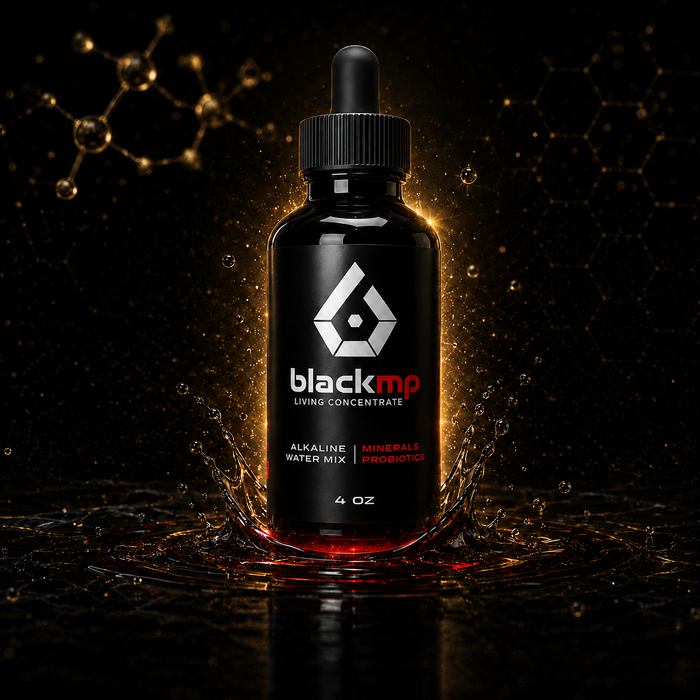
4oz Concentrate
View product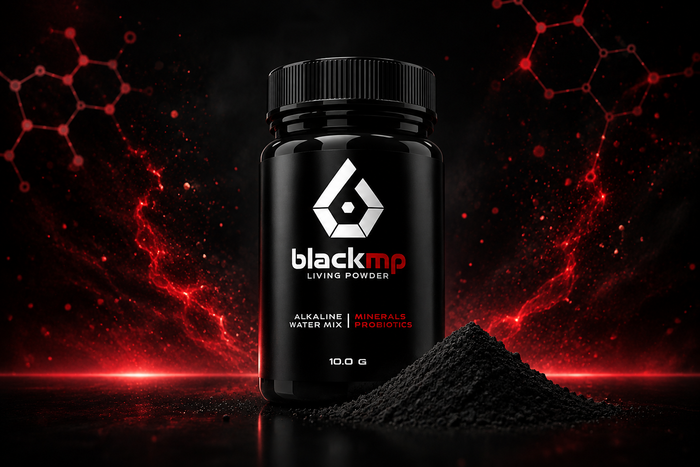
Fulvic & Humic Mineral Powder - Daily Restoration Mix | BlackMP Living Powder
View productReferences
SCIENTIFIC RESEARCH & EDUCATIONAL RESOURCES The BlackMP Mineral Library is an educational resource developed using established nutritional science, publicly available research, and recognized clinical references. Primary educational resources include: NIH OFFICE OF DIETARY SUPPLEMENTS Evidence-based fact sheets covering essential vitamins, minerals, dietary intake, deficiency, and safety. https://ods.od.nih.gov/factsheets/list-VitaminsMinerals/ MEDLINEPLUS — NATIONAL LIBRARY OF MEDICINE Consumer-friendly information about nutritional health, laboratory testing, and medical conditions. https://medlineplus.gov/ NATIONAL ACADEMIES OF SCIENCES, ENGINEERING, AND MEDICINE Dietary Reference Intakes and scientific evaluations of essential nutrients and trace elements. https://nap.nationalacademies.org/ Individual mineral profiles provide additional references and scientific context. Important: Not every trace element featured in this library has an established human dietary requirement or clinically recognized deficiency syndrome.